
The Pentagon Confirms the Risk. Military Aviators Still Lack Protections
High altitudes, higher cancer rates—and a policy gap that leaves families without answers
By Jamie Montoya and George Headley / Howard Center for Investigative Journalism at Arizona State University


For nearly 40 years, Rodolfo LLobet was a pilot — first in the military, then for a commercial airline — spending more than half his life in the cockpit.
"If you look at Rodolfo, what truly defined him as a great and amazing man, husband and father was God and family, and he just happened to love being an aviator — a military aviator, a Naval aviator," said his wife, Kelly LLobet.
But Rodolfo’s devotion to flying may have led to his premature death last June.
"We were married — that is, to have and to hold until death do us part. And we were kind of expecting that to be more like when we were 80 or 90 or 100 – sitting on our front porch, drinking sweet tea, watching the great-grandchildren run around on the front lawn,” Kelly said. “It certainly was not something we expected to come to an end when he was 60."
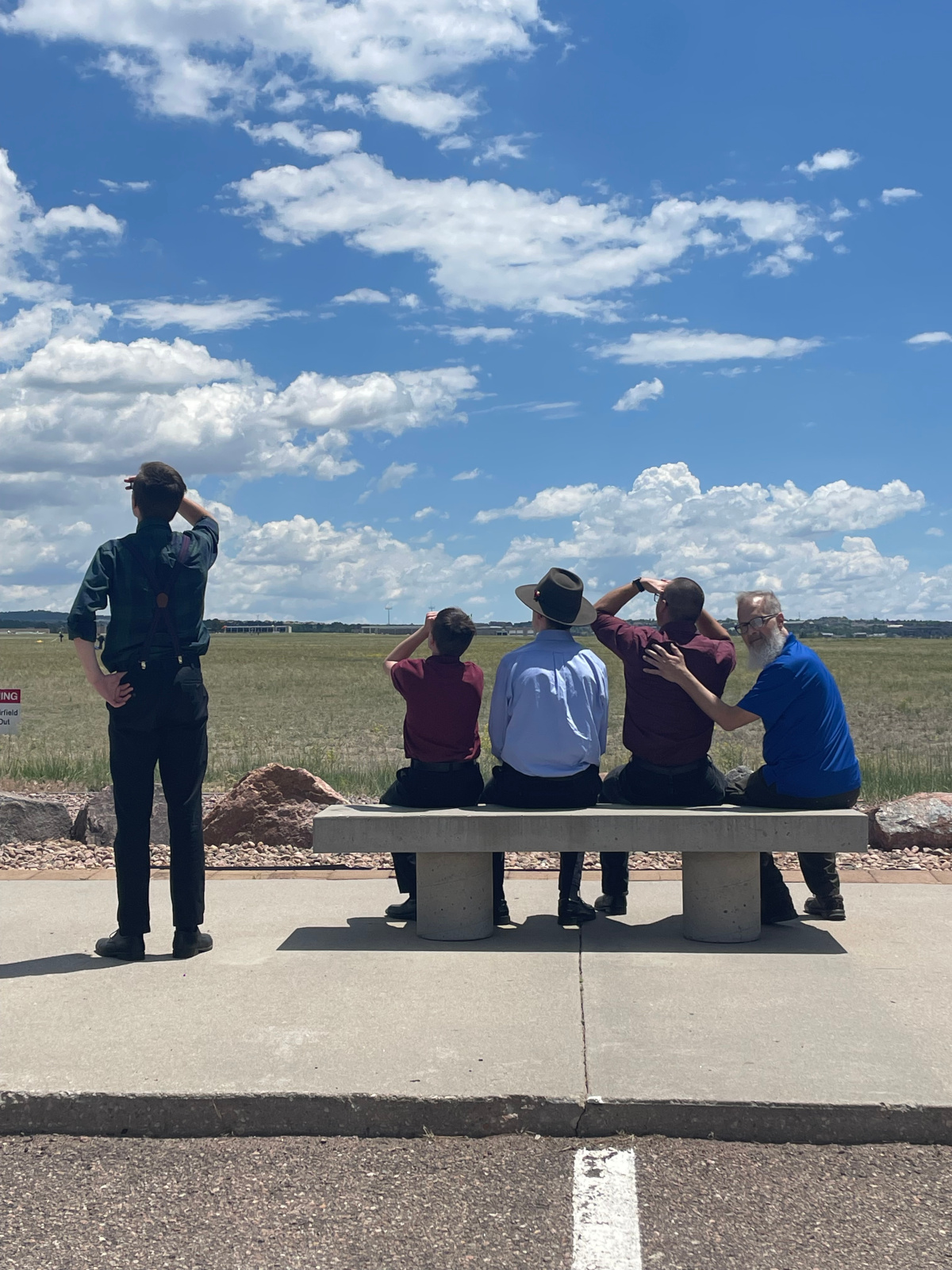
That’s when Rodolfo died of cancer. He was diagnosed with Stage 4 prostate cancer in 2019, when he was just 54 years old –14 years younger than the median age, according to recent data from the National Cancer Institute.
Rodolfo had flown more than a dozen aircraft types, ranging from gliders to S-3 jets. By 2009, he had logged nearly 10,000 flight hours, according to an alumni biography from his high school.
Each flight brought more than just time in the cockpit — it also added to his cumulative exposure to cosmic ionizing radiation.
For decades, the Federal Aviation Administration has recognized that civilian flight crews face increased cancer risks from in-flight exposure to cosmic radiation. FAA studies from 2003 and 2021 quantified the increased cancer risk for certain commercial flight paths flown over a 25-year career. But detailed research on the increased risks faced by military aviators — who tend to fly at higher altitudes than commercial pilots — is lacking.
Reporters from the Howard Center for Investigative Journalism at Arizona State University found U.S. military research that openly acknowledges an increased cancer risk for military aviators. Yet while military aviators are diagnosed with cancer at younger ages than the general population, it could take years before military leaders say more definitively what is causing the cancers.
Only in the past five years have the increased cancer risks faced by military aviators been officially acknowledged. In 2021, the Air Force published a study that concluded its own flight crews faced an increased risk of certain cancers, including melanoma and prostate cancer and, to a lesser extent, non-Hodgkin lymphoma.
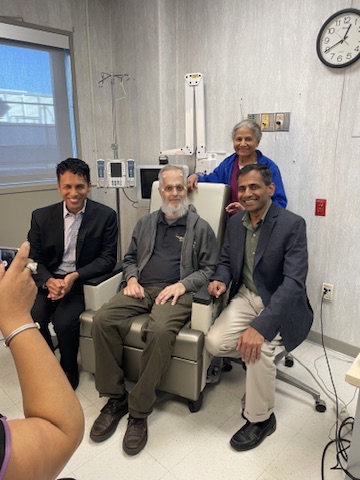
Congress subsequently ordered the Defense Department to follow up with its own study of risks to flight crews in all branches of the military. In 2024, the department confirmed what some military families had long suspected: U.S. military aviators across all branches, including the Navy, develop cancer at higher rates and often at younger ages than civilians.
But by then, Rodolfo had already been diagnosed. His wife can’t say for sure where his cancer came from, but she wonders if there is a link to his military career.
Both the military and the FAA require medical screenings for pilots, and Rodolfo’s wife says her husband was always in good health, passing detailed physical exams that found him fit to fly until he was diagnosed.
"He was healthy, and he wasn't a drinker or a smoker,” Kelly said. “Why me? You know, all those questions … happened immediately after diagnosis."
A Defense Department Study Confirms Elevated Cancer Rates
The Defense Department’s 2024 study found military aircrew “had a 75% higher rate of melanoma, 31% higher rate of thyroid cancer, 20% higher rate of prostate cancer, and a 15 percent higher rate of cancer for all sites combined.” The report also found the median age for diagnosis of malignant cancers was 55, more than a decade younger than the rest of the population, whose median age is 67 at diagnosis.
While the Air Force and Defense Department studies found elevated cancer rates among military aviators, neither examined the specific causes.
The Defense Department’s second phase of research is intended to identify the causes of the increased cancers, but it is not slated for publication until late September 2029.
Rodolfo LLobet graduated from the U.S. Air Force Academy and cross-commissioned into the Navy, where he went on to serve his country for nearly eight years, including flying combat missions during Operation Desert Storm.
When asked what steps the Pentagon takes to inform service members who fly about cosmic radiation, a Defense Department spokesperson referred the Howard Center to the individual service branches.
The Air Force did not answer questions about whether it has protocols to raise pilot awareness of cosmic radiation in the cockpit.
"The United States Navy recognizes that aviation has inherent risks, and we remain committed to reducing and mitigating those risks through training and safety practices at all levels," said Capt. Bill Urban, a spokesperson for the Navy Bureau of Medicine and Surgery.
Urban said Navy flight surgeons routinely screen pilots for medical concerns.
Like many military pilots, Rodolfo used his training and passion for aviation qualify for a civilian job piloting commercial aircraft after retiring from the Navy. He did that for the next 30 years, including for United Airlines.
When asked what steps United took to warn its pilots about cosmic radiation, an airline spokesperson said, "Thanks for reaching out — we have nothing to share on this."
What May Be Driving the Increased Risk
Veterans and policymakers said a number of occupational hazards, in addition to cosmic radiation, might contribute to higher cancer rates among military aircrews. Other potential causes include increased exposure to ultraviolet radiation, work near jet fuel and inhalation of related fumes. But the study also specifically named cosmic radiation as a potential subject for further research into the higher cancer rates among military aviators.
Exposure to cosmic radiation is particularly pronounced at higher altitudes, according to the U.S. Centers for Disease Control and Prevention and the National Cancer Institute. High-energy cosmic rays from the sun normally weaken at lower altitudes as they encounter the Earth’s atmosphere and magnetic fields. People on Earth’s surface are far more protected than those at high altitudes.
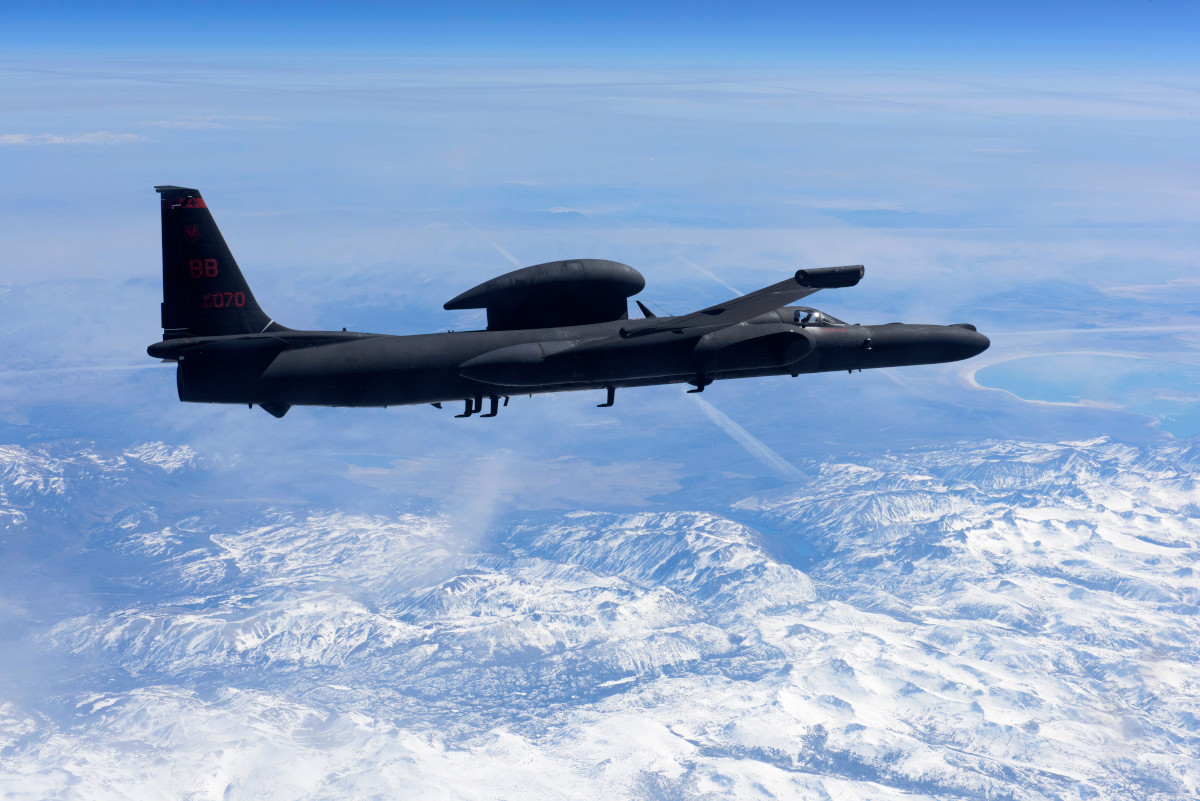
Many military aircraft fly well above the altitudes at which commercial planes typically travel. A reconnaissance aircraft, for example, might fly at 70,000 feet – at least 30,000 feet higher than commercial airlines routinely do.
A typical commercial flight traveling cross-country at 39,000 feet exposes aircrew to roughly the same amount of radiation as 1.3 standard chest x-rays. If that same flight traveled at 60,000 feet, the aircrew would be exposed to twice as much cosmic radiation.
The Defense Department bases its recommendations for military aviators on FAA guidance, which advises pilots to calculate their own dosage whenever practical. But the Howard Center found the FAA’s public calculator for flight crews to estimate in-flight radiation exposure has been down for months.
Sen. Mark Kelly, D-Ariz., said he believes military aviators’ exposure to cosmic radiation or jet fuel could be significant drivers of the increased cancer risk. Kelly sponsored the Aviator Cancer Examination Study, or ACES, Act in the Senate in 2025, and President Donald Trump signed it into law in August of that year.
Kelly said that when he was an astronaut, he could visibly see evidence of cosmic radiation in space.
"When you close your eyes at night, and it’s dark, you see what looks like little lightning storms going on inside of your eyes," Kelly said. "That’s gamma radiation flying through your retina. Now it’s also flying through the rest of your body, and this was a phenomenon that the Apollo astronauts first recognized on their way to the moon."
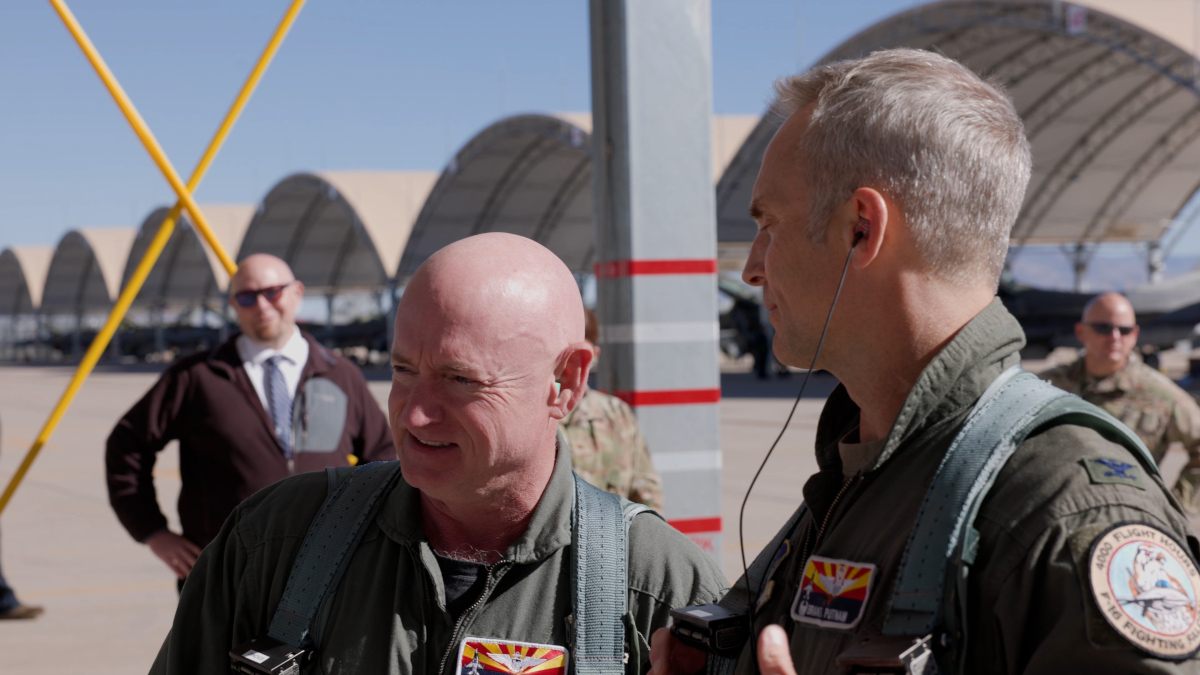
Kelly said when commercial pilots or military aviators are flying between 30,000 and 50,000 feet, they are "getting significantly more radiation" compared to their dose on the ground.
Exposure to cosmic radiation does not happen in isolation. Instead, the risks compound with every exposure.
A team of Harvard researchers noted in a 2022 report reviewing cancer risks from in-flight cosmic radiation exposure that rates "are considerably higher for aircrew compared to the general population, and even higher compared to U.S. radiation workers."
Agencies like the FAA, the National Institute for Occupational Safety and Health and the International Commission on Radiological Protection have recognized cosmic radiation as an occupational exposure and recommended that aircrew be informed of the risks and monitor their exposure.
But while commercial aircrews are treated as radiation-exposed workers by international standards, including in the European Union, U.S. regulators do not require monitoring or formal safety protections for crews, such as tracking exposure, on standard commercial flights.
The Department of Veteran Affairs, which collects records from every veteran who files a disability claim, lacks information about the impact of cosmic radiation on aviators.
"We don’t track disability claims by military specialty, so we don’t have that information," a VA spokesperson said in an email.
Military pilots also face other cancer risks beyond cosmic radiation that could be contributing to elevated rates.
One study from the Mount Zion Cancer Research Center at the University of California, San Francisco found that less than an hour of flying at 30,000 feet exposes a pilot to the same amount of ultraviolet radiation as 20 minutes in a tanning bed.
Other risks often cited by military aviators and their families as possible causes of cancer include sunlight and microwave and infrared waves. But the lack of research on the specific risks to military aviators means the extent of those risks remains uncertain.
Col. Dan "Animal" Javorsek, a former Air Force test pilot and former Defense Advanced Research Projects Agency program manager, said nonionizing radiation research would benefit greatly from the ACES Act because it is a component of flight that may be exclusive to military aircraft.
He also said there needs to be greater emphasis on how potential hazards are communicated, and that the government needs to move past potentially delaying research because of its "concern of the admission of guilt."
Kelly LLobet said she and her husband have long thought nonionizing radiation may have played a role in his prostate cancer diagnosis.
"You're sitting with a flight stick between your knees and all of this unshielded radiation going on — and then you show up with prostate cancer when you’re 54," Kelly LLobet said. "It's probably a bigger deal than getting a sunburn at 38,000 feet in a commercial cockpit."
A 2025 Law Pushes the Research Forward
Rep. August Pfluger, R-Texas, is a former Air Force combat fighter pilot and squadron commander who deployed to both Syria and Iraq during 20 years of military service.
Since 2022, he has repeatedly introduced ACES Act legislation in an effort to force the VA to work with the National Academies of Sciences, Engineering and Medicine on a study into the root causes of increased cancer among military aviators and provide information to improve protections for service members.
Pfluger began his legislative attempts in 2022, but his bills repeatedly stalled until the issue came up during a March 2025 hearing of the House Veterans’ Affairs Committee’s Subcommittee on Disability Assistance.
"When brave men and women volunteer for our nation, they shouldn’t face a second battle against cancer without proper government support," Pfluger said in his opening remarks.
During the hearing, Pfluger questioned VA leadership about why the department did not automatically consider cancers diagnosed after military aviators leave the service to be presumptively military service for the purpose of disability benefits.
Officials said at the time they would return to the VA and provide an answer later. The Howard Center has since confirmed that the VA does not yet consider cancers diagnosed after military pilots leave service to be automatically connected to their military service. Under current federal law, the VA automatically offer benefits for veterans with illnesses linked to very narrow sets of circumstances, such as exposure to Agent Orange, burn pits and toxic substances.
Pfluger intended for the ACES Act to provide the scientific evidence the VA said it needed before automatically providing benefits for more military aviator veterans.
Rodolfo’s VA claim moved quickly through the system, guided by a VA doctor who partnered with the Prostate Cancer Foundation to fund an experimental treatment he would later receive.
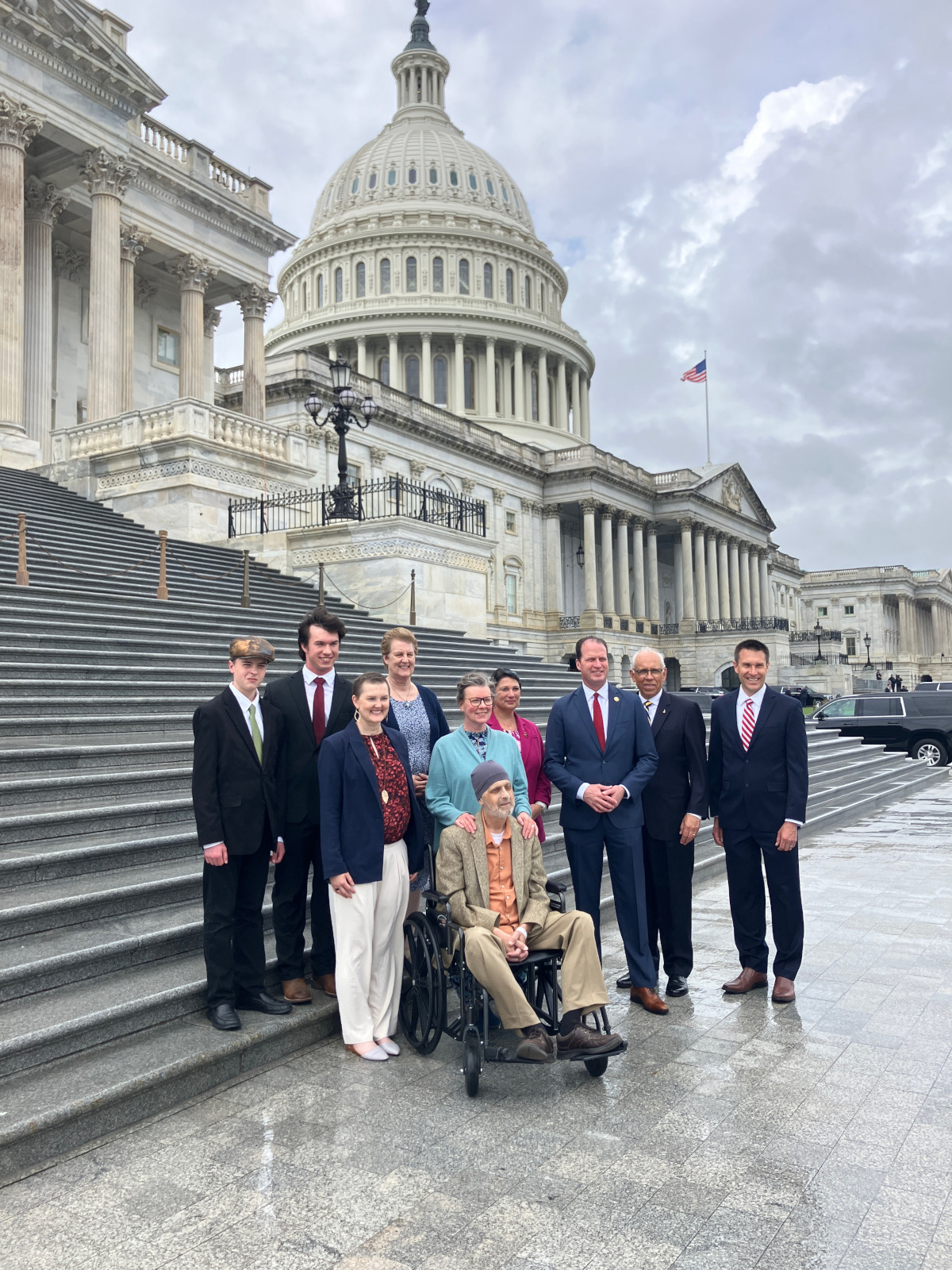
That coverage bought Rodolfo more time, which he used to help advance the ACES Act in Congress. Rep. Pfluger was told Rodolfo's story, and on the day the Act was voted on in the House, the congressman's staff brought Rodolfo into the chamber to watch. A month later, Rodolfo was dead.
He did not live to see the study launch.
"It was difficult to see him suffer like he suffered," said Kelly LLobet, who hopes more attention can help other military aviators better protect themselves from cancer risk. "If this can help any families avoid that … that makes it all worthwhile."